The Great Migration

The Beating Heart of Wild Africa

Few wildlife events capture the imagination like the Great Migration – an awe-inspiring natural phenomenon where millions of wildebeest, zebras, and gazelles embark on a vast, circular journey across East Africa’s Serengeti-Mara ecosystem. At Hey Safaris, we believe witnessing the Great Migration is a once-in-a-lifetime experience that offers unforgettable encounters with the raw power, beauty, and drama of the African wilderness.

What is the Great Migration?

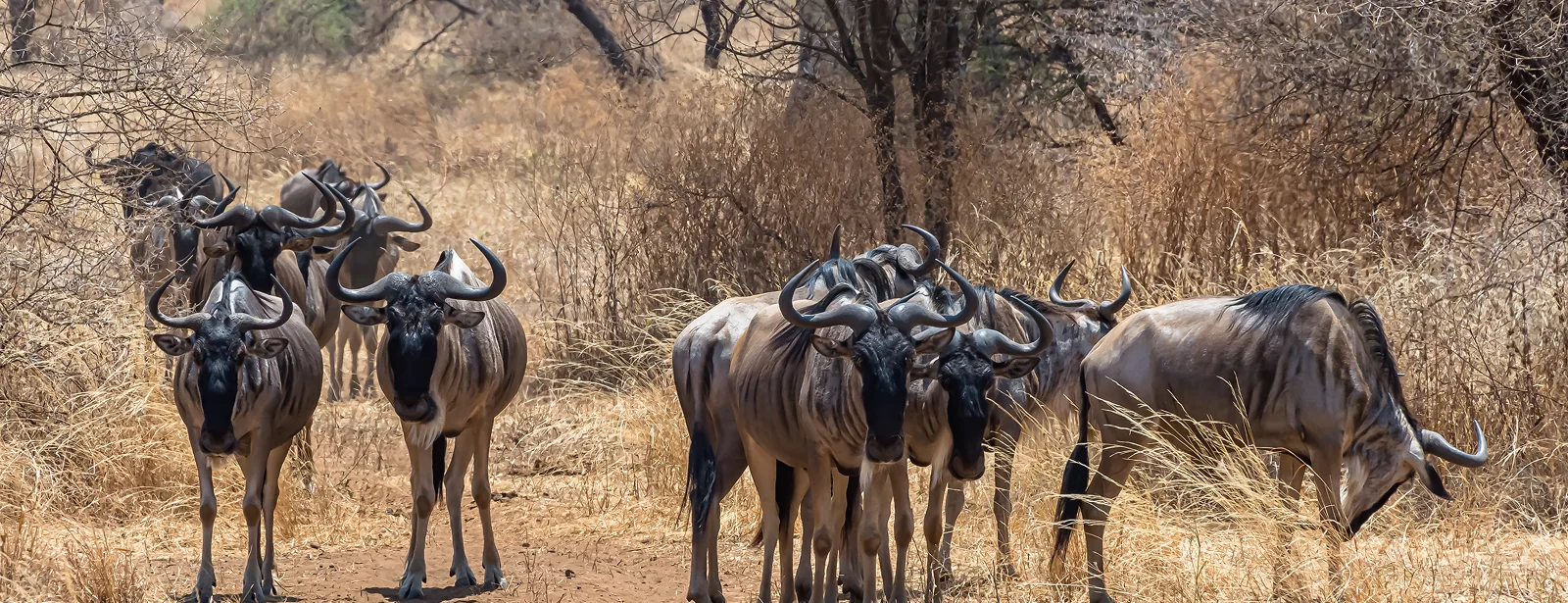
The Great Migration is an epic annual movement of over 1.5 million wildebeest, alongside hundreds of thousands of zebras and Thomson’s gazelles. These animals traverse approximately 800 kilometers (500 miles) in a continuous search for fresh grazing and water – driven by the changing rains and the rhythm of the African seasons.

The journey winds through Tanzania’s vast Serengeti National Park and into Kenya’s famous Maasai Mara Reserve, creating one of the most dynamic and visually stunning wildlife spectacles on Earth.

What Animals Can You Expect to See?

The Great Migration offers exceptional wildlife sightings throughout the year. Here are just some of the incredible animals you may encounter on your safari.

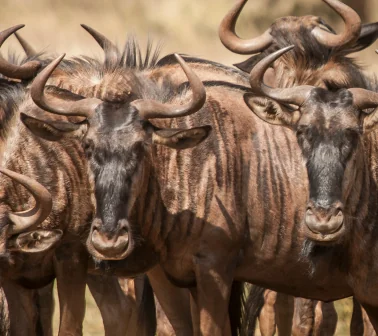
Wildebeest
Wildebeest
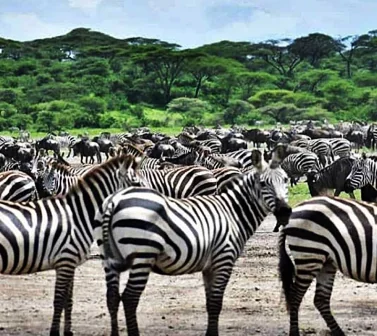
Zebras
Zebras
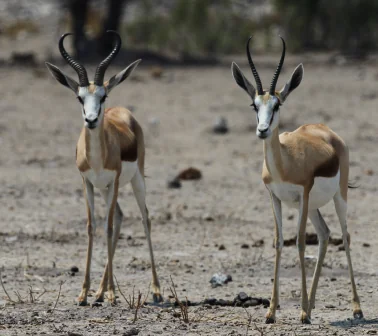
Thomson’s and Grant’s Gazelles
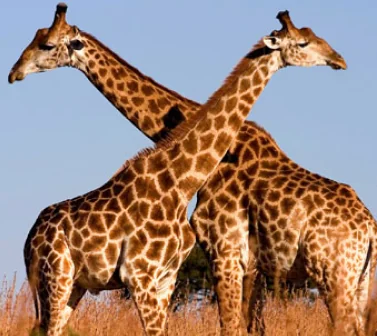
Giraffes
Giraffes
Predators
Predators
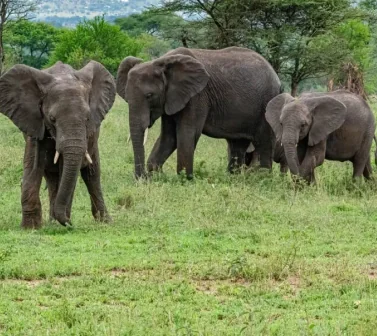
Elephants
Elephants
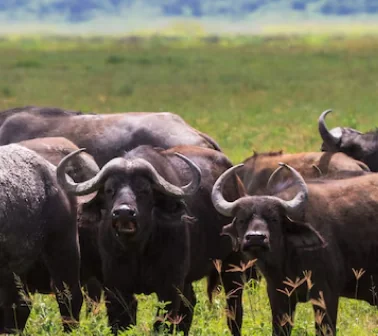
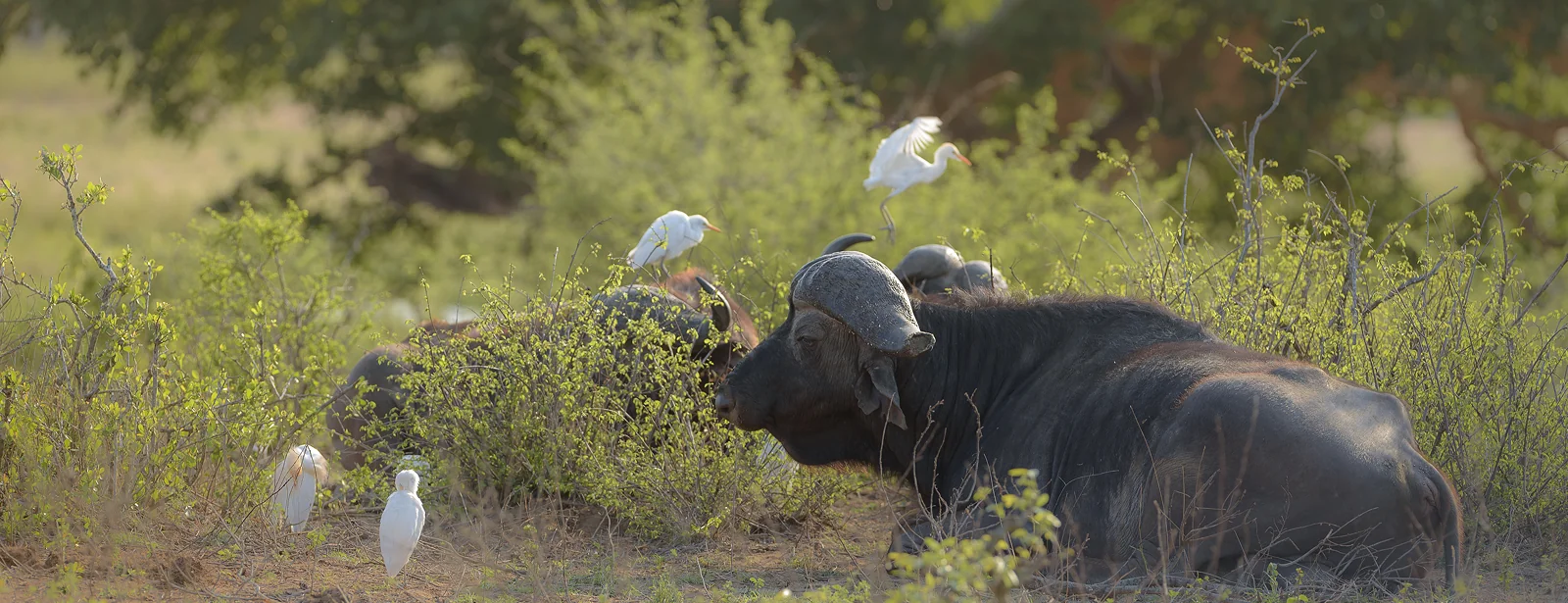
Buffaloes, and Other Herbivores
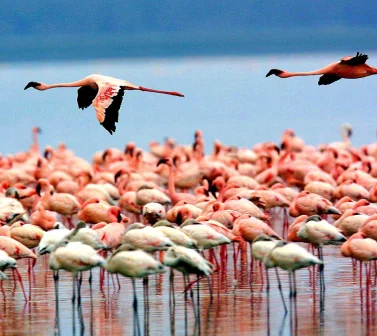
Birdlife
Birdlife

Travel Times & Options

Great Migration National Park is accessible by road and air, with various starting points depending on your itinerary:

  • From Arusha:

    Flights to Serengeti’s airstrips (Seronera, Grumeti, or Ndutu) range from 45 minutes to 1.5 hours.

  • Road Transfers:

    Hey Safaris offers scenic, comfortable drives from Arusha or Karatu, ranging from 4 to 7 hours depending on the destination within Serengeti.

At Hey Safaris , we can arrange private transfers or charter flights to maximize your time in the park and ensure your journey is as comfortable and efficient as possible.

When Is the Best Time to Visit the Great Migration

The Great Migration is a year-round destination, but the timing of your visit can shape your experience:

January Safari

January – March

25–28°C
Green Season

Thousands of wildebeest calves are born across the lush plains, attracting lions, cheetahs, and hyenas – incredible predator-prey action.

January Safari

April – June

22–26°C
Long Rains

Herds begin their journey north with dramatic Grumeti River crossings – expect vibrant landscapes and fewer crowds.

January Safari

July – September

20–25°C
Dry Season

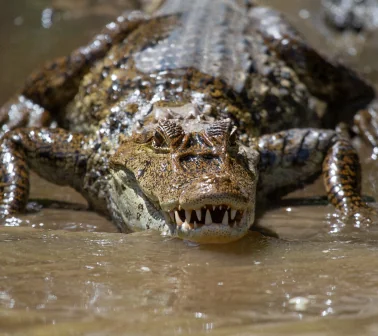
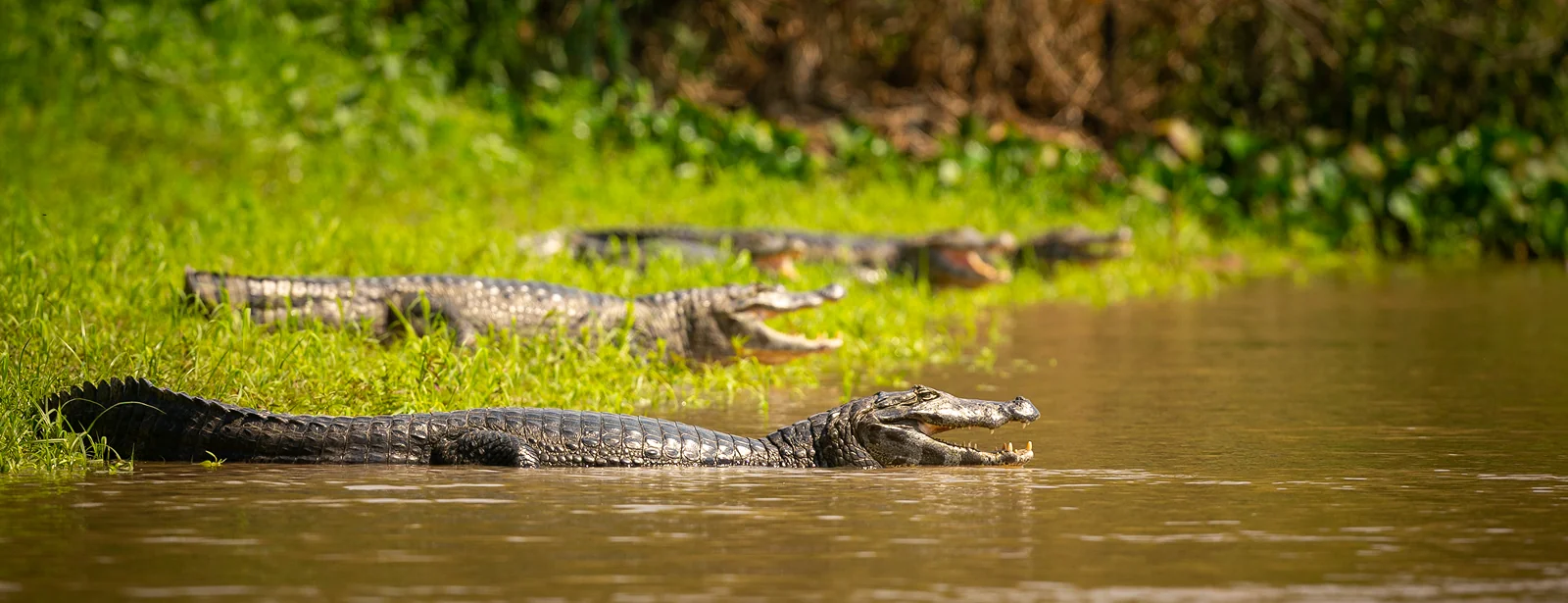
The most iconic migration scenes: wildebeest and zebras crossing the Mara River with crocodiles lurking and predators waiting.

January Safari

October – December

23–27°C
Short Rains

The herds return south to calving grounds, completing the migration cycle; excellent game viewing with fewer tourists.

Expert Tip from Hey Safaris

For the most intimate and rewarding experience, consider a private early morning game drive in the Great Migration. The wildlife is at its most active at dawn, and the soft golden light creates picture-perfect moments. Your guide can help you spot elusive cats and track the migration herds without the crowds. After your game drive, enjoy a gourmet bush breakfast surrounded by nature’s splendour—an experience you’ll treasure forever.

Ready to experience the Great Migration? Let Hey Safaris guide you through this extraordinary wilderness and craft a safari journey that you will remember for a lifetime.
Talk to a Safari Specialist Today

Get personalized recommendations and expert advice for your perfect Tanzania adventure.

Trusted by 1000+ Explorers


    footer-top-img