Ngorongoro Conservation Area

A Natural Masterpiece on Your Tanzanian Safari

Nestled on the edge of the great East African Rift Valley, the Ngorongoro Conservation Area is one of Tanzania’s most iconic safari destinations – and one that’s truly unforgettable. At Hey Safaris, we invite you to discover the breathtaking beauty, rich wildlife, and unique cultural heritage of this UNESCO World Heritage site.

What Makes Ngorongoro So Special?

The Ngorongoro Conservation Area covers roughly 8,292 square kilometers of diverse landscapes, including savannahs, forests, and volcanic highlands. But its crowning jewel is undoubtedly the Ngorongoro Crater – the world’s largest intact volcanic caldera, measuring 20 kilometers across and nearly 600 meters deep.

The crater is a natural wildlife sanctuary, home to one of the densest populations of animals anywhere on the continent. Its unique geography creates a natural enclosure, providing a sanctuary where wildlife thrives with fewer predators and abundant resources.

What Animals Can You Expect to See in Ngorongoro?

Ngorongoro’s wildlife is extraordinary and varied, offering some of the most rewarding game viewing experiences in Tanzania:

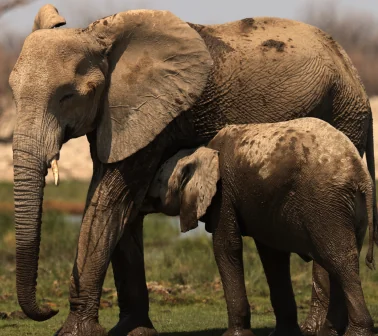
The Big Five
The Big Five
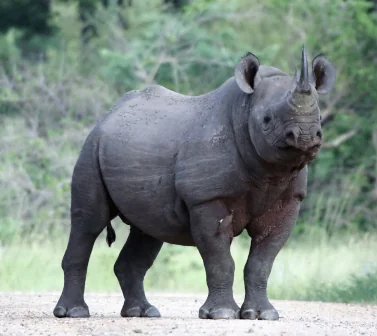
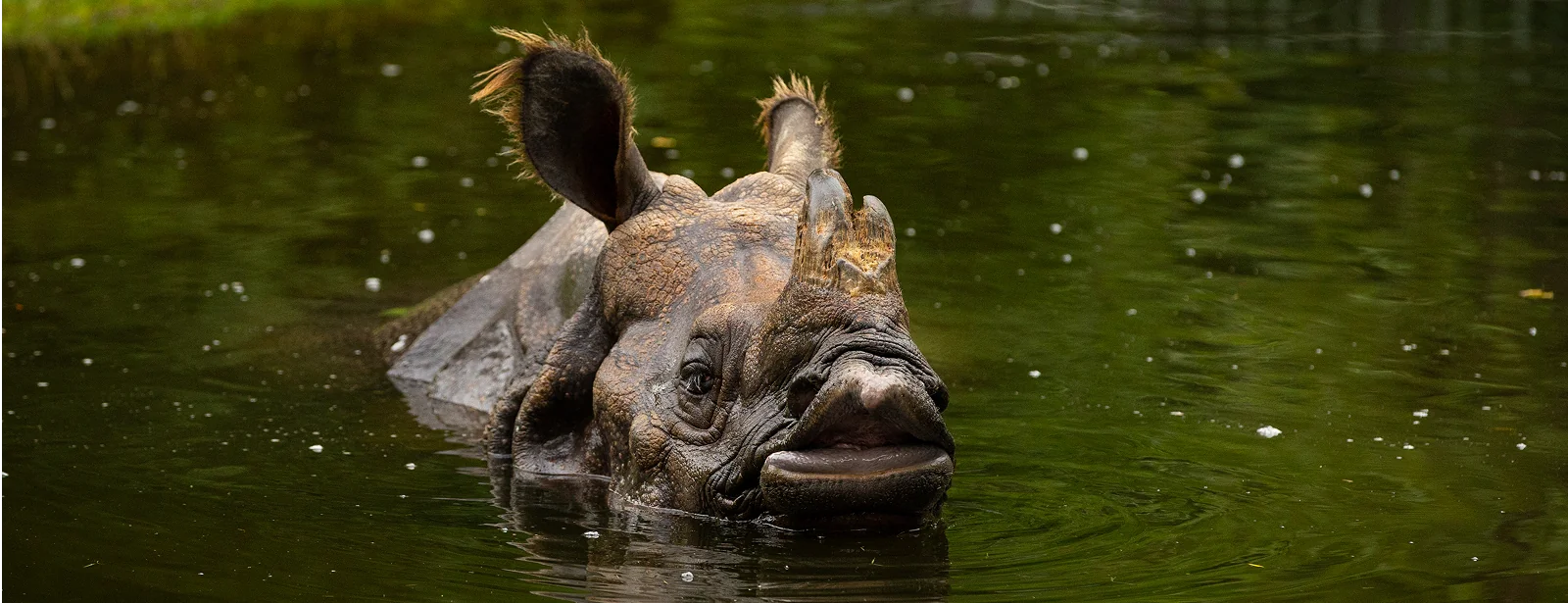
Black Rhinos
Black Rhinos
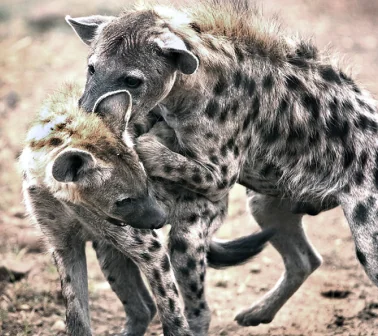
Spotted Hyenas
Spotted Hyenas
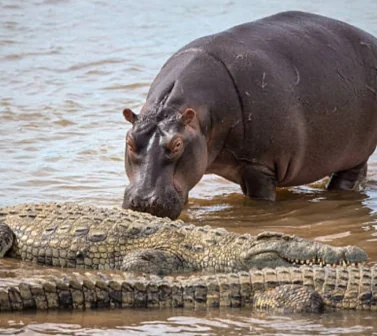
Hippos and Crocodiles
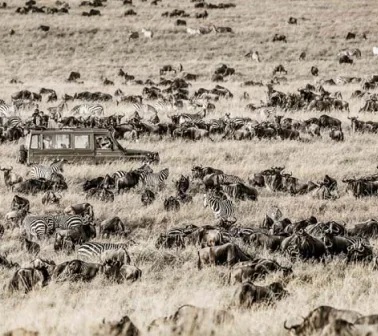
Thousands of Wildebeest
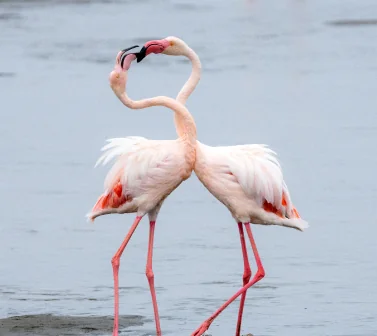
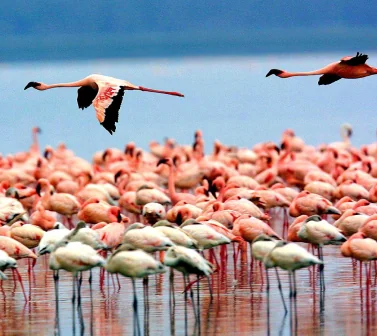
Flamingos
Flamingos
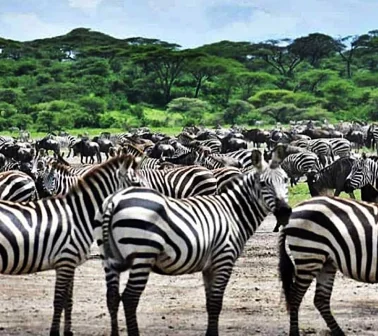
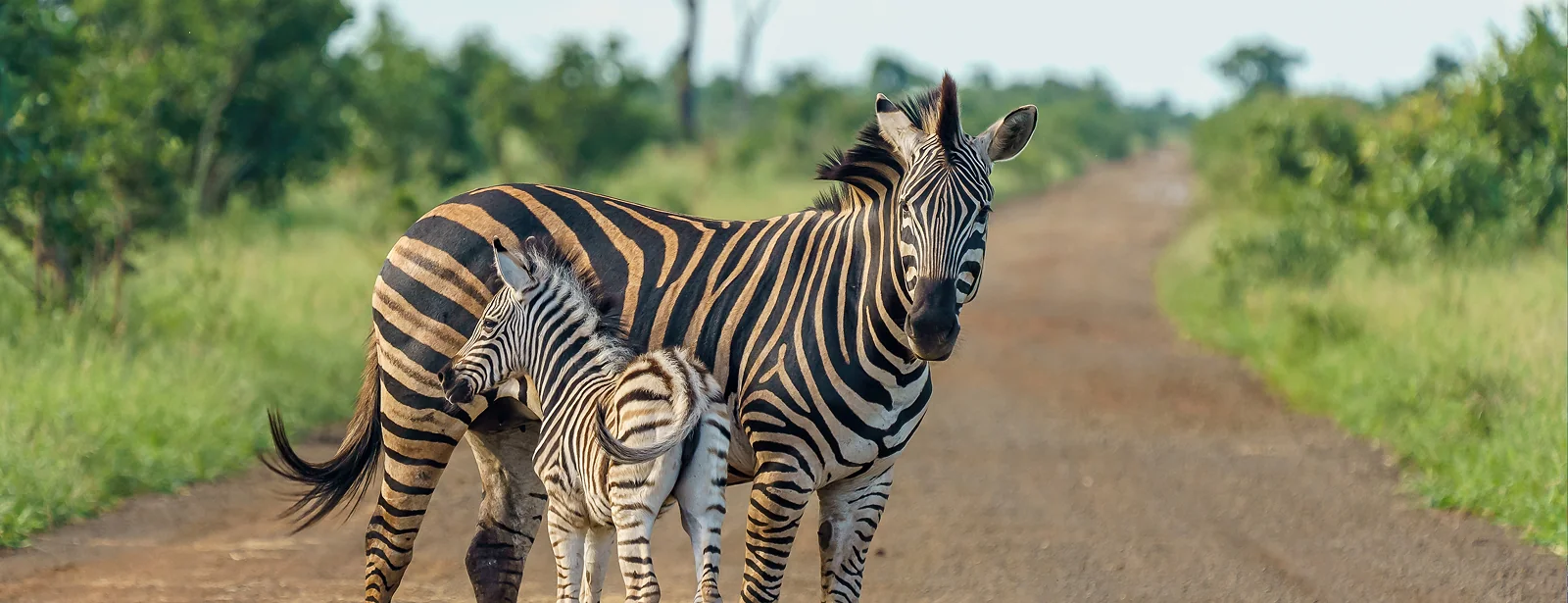
Thousands of  Zebras
Thousands of Zebras
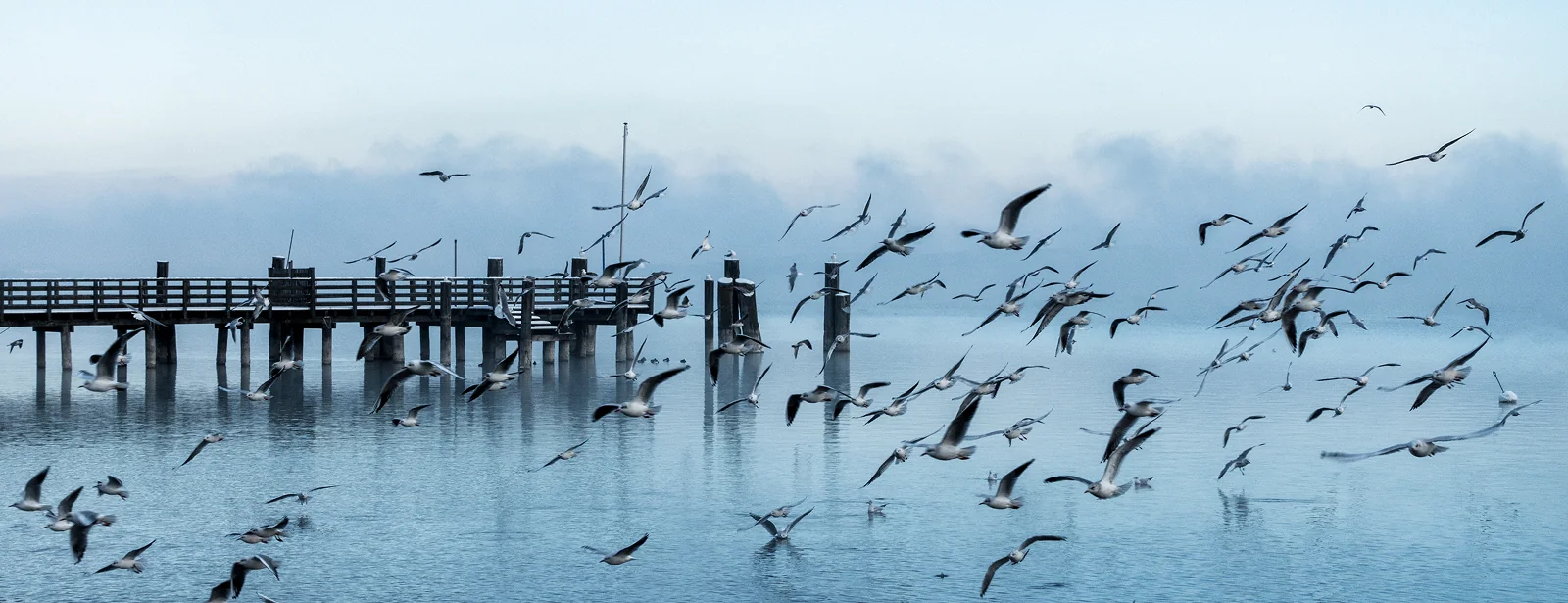
Birdlife
Birdlife

Travel Times & Options

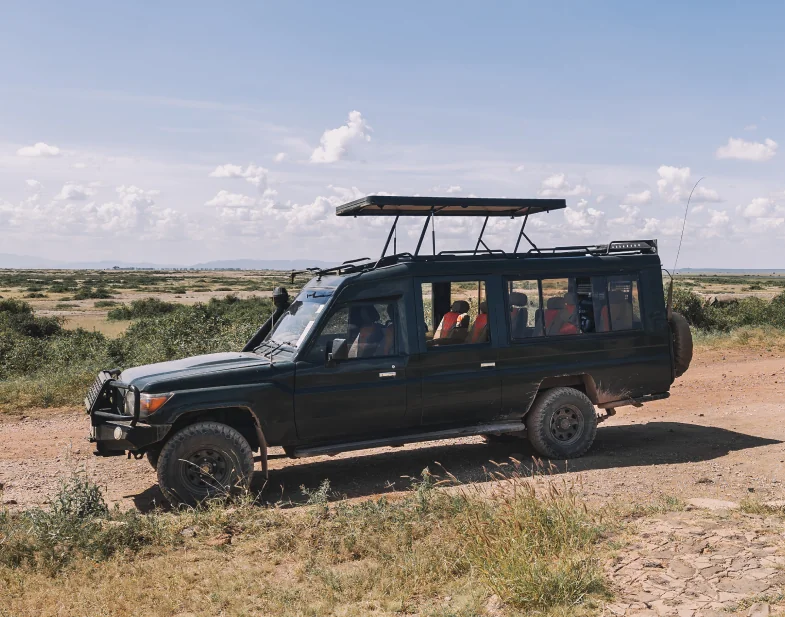
Ngorongoro Conservation Area National Park is accessible by road and air, with various starting points depending on your itinerary:

  • From Arusha:

    About 2–3 hours by road.

  • From Moshi:

    Approximately 4-5 hours by road.

  • From Karatu:

    Just a short 40-minute drive.

  • From Tarangire National Park:

    Around 3 hours by road.

  • By Air:

    There are no direct flights into the crater, but you can fly into nearby airstrips like Manyara and then drive or transfer to the crater area.

At Hey Safaris, we arrange all your transfers with care and style, whether by private vehicle or light aircraft, ensuring your journey to Ngorongoro is smooth and comfortable.

When to Visit Ngorongoro?

Ngorongoro is a year-round destination, with each season offering something special:

January Safari

June-October

25°C
Dry Season

Wildlife congregates around waterholes, making animals easier to spot.

January Safari

November to May

25°C
Wet Season

The crater’s vegetation flourishes, and migratory birds arrive, bringing vibrant colors and life to the landscape.

January Safari

January to March

25°C
Calving Season

Witness newborn wildebeest and zebras, attracting predators in exciting hunts.

Expert Tip from Hey Safaris

For the most intimate and rewarding experience, consider a private early morning game drive in the Ngorongoro. The wildlife is at its most active at dawn, and the soft golden light creates picture-perfect moments. Your guide can help you spot elusive cats and track the migration herds without the crowds. After your game drive, enjoy a gourmet bush breakfast surrounded by nature’s splendour – an experience you’ll treasure forever.

Ready to experience the Ngorongoro? Let Hey Safaris guide you through this extraordinary wilderness and craft a safari journey that you will remember for a lifetime.
Talk to a Safari Specialist Today

Get personalized recommendations and expert advice for your perfect Tanzania adventure.

Trusted by 1000+ Explorers


    Frequently Asked Questions

    The Ngorongoro Conservation Area is accessible by both road and air. By road, the journey takes 2 – 3 hours from Arusha, 4 – 5 hours from Moshi, about 3 hours from Tarangire, and only 40 minutes from Karatu. By air, visitors can fly into the Manyara airstrip and then transfer to the crater. Hey Safaris can arrange private transfers or flights to ensure a smooth and comfortable journey.

    The area is home to the Big Five – lion, elephant, buffalo, rhino, and leopard – along with hyenas, wildebeest, zebras, hippos, flamingos, and more than 500 bird species. It is also one of the best places in East Africa to spot critically endangered black rhinos.

    Yes. Visitors can explore Maasai culture in nearby villages and visit Olduvai Gorge – an archaeological site known as the “Cradle of Mankind.” These experiences add cultural depth alongside game drives in the crater.

    The crater is a popular destination, particularly in peak season. However, early morning and late afternoon drives offer a quieter experience. Hey Safaris helps plan your itinerary to avoid peak crowds while maximizing wildlife encounters.

    Pack comfortable, neutral-colored clothing, sturdy shoes, a hat, sunscreen, binoculars, and a camera. Because of the highland climate, warm layers are also recommended for cool mornings and evenings.

    footer-top-img