Lake Manyara National Park

A Hidden Gem of Tanzania’s Northern Circuit

Lake Manyara National Park offers a unique safari experience that’s different from the vast plains of the Serengeti or the majestic caldera of Ngorongoro. Known for its stunning landscapes, diverse wildlife, and remarkable birdlife, Lake Manyara is a must-visit destination on your Tanzanian safari journey.

What Makes Lake Manyara Special?

Lake Manyara National Park covers an area of around 330 square kilometers and is famed for its striking contrasts – from the lush groundwater forest along the escarpment to the shimmering alkaline lake at its heart. This park offers a more intimate and varied safari experience with a range of habitats all packed into a compact area.

Its diverse ecosystems support a wealth of wildlife, making it an excellent choice for those looking to enjoy a wide variety of animals and spectacular scenery in a single day.

What Animals Can You Expect to See at Lake Manyara?

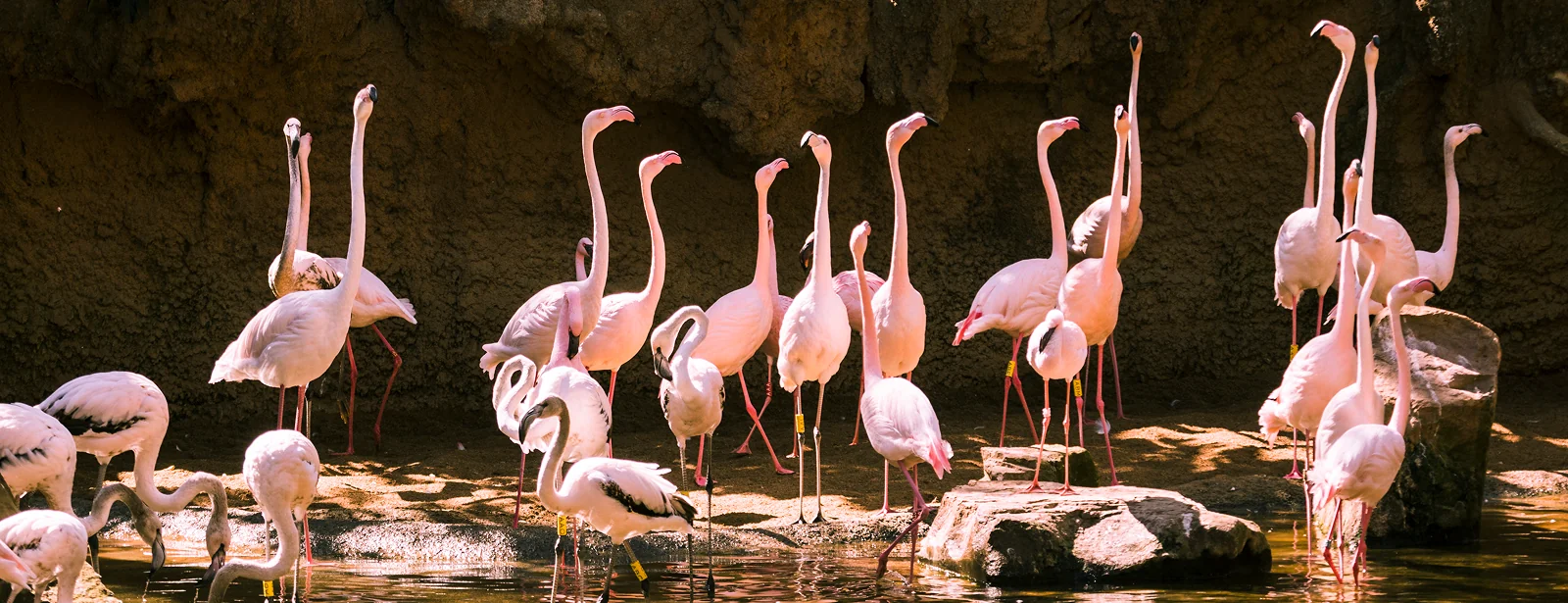
From the flamboyant pink flamingos on the lake’s shores to the elusive leopard hiding in the dense forest, Lake Manyara promises wildlife encounters that captivate every nature lover.

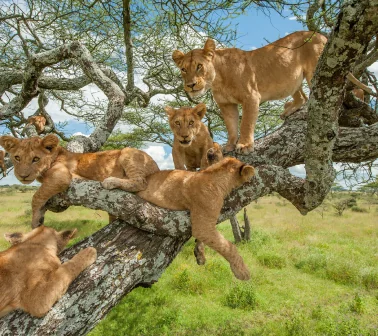
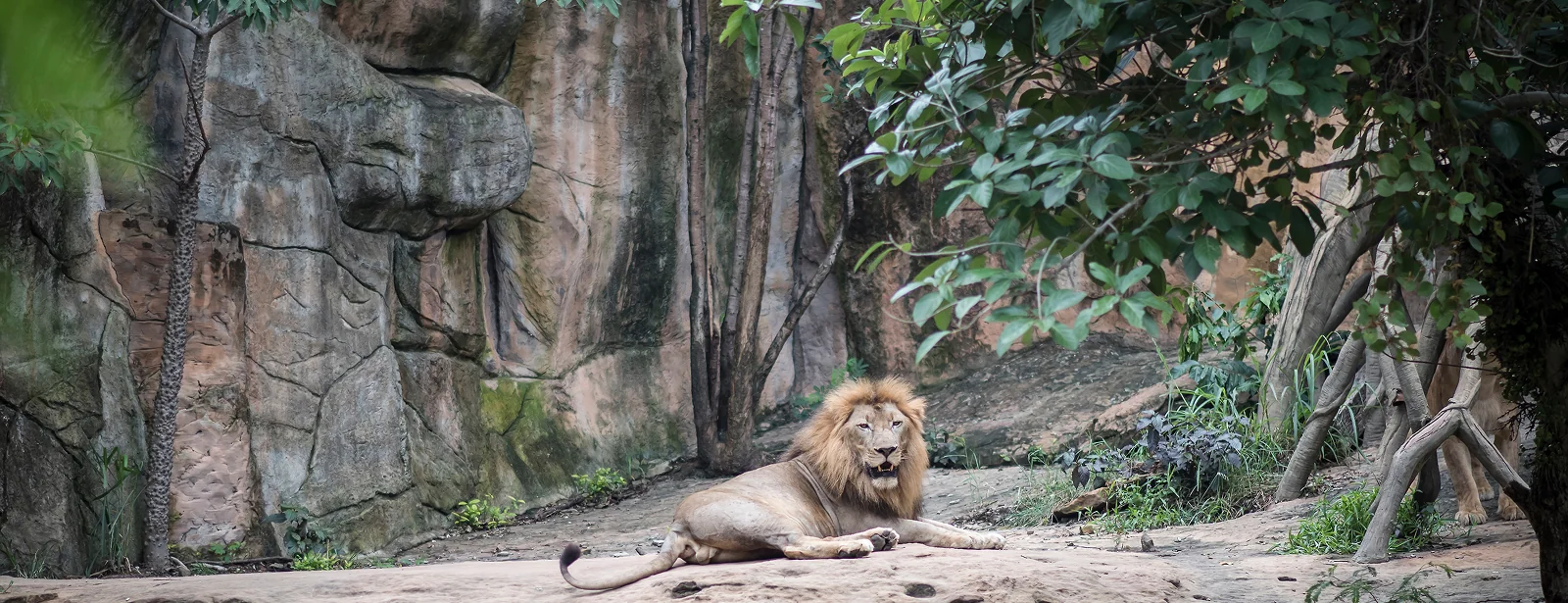
Tree-Climbing Lions
Tree-Climbing Lions
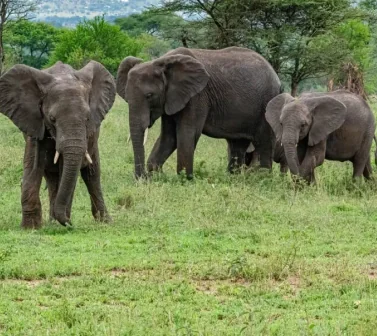
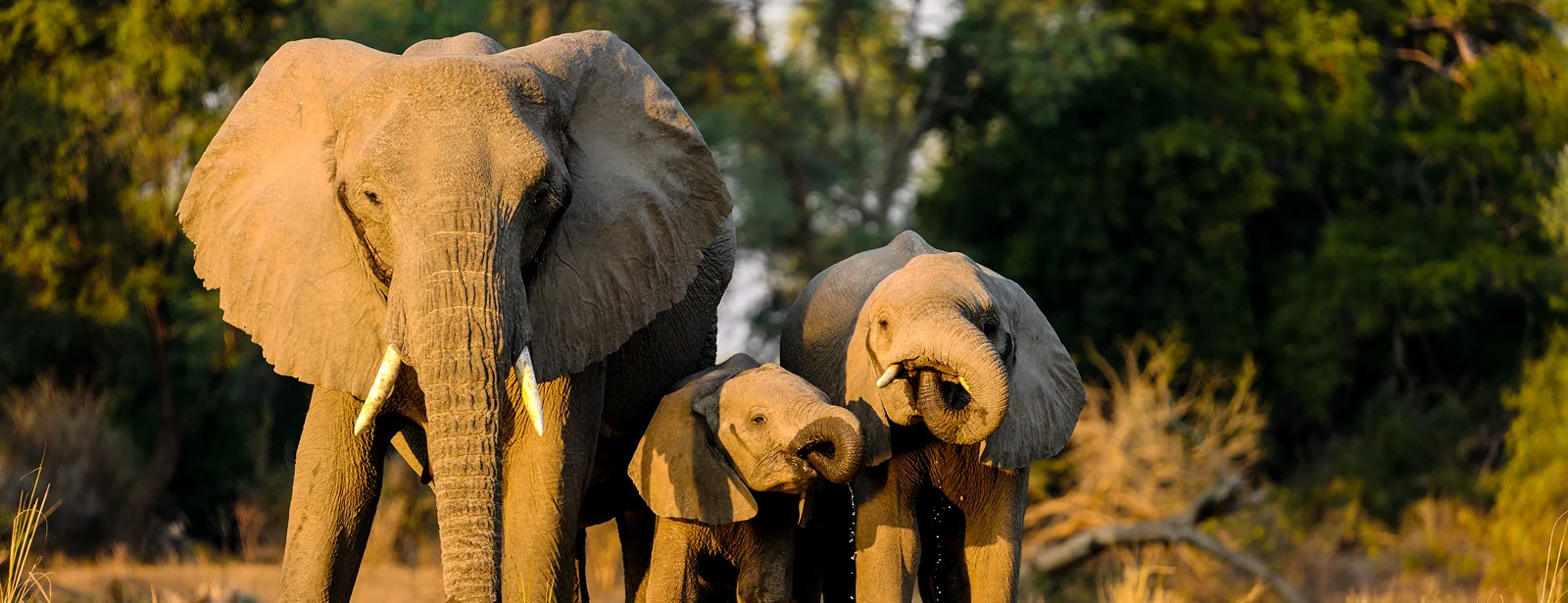
Elephants
Elephants
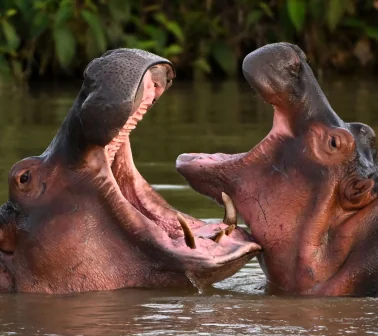
Hippos
Hippos
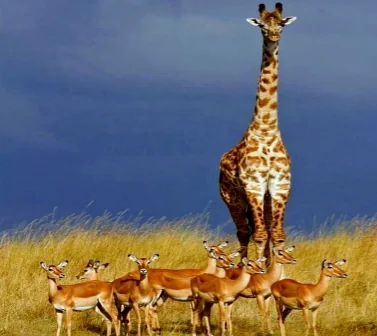
Giraffes and Impalas
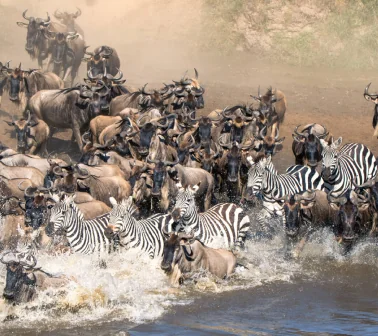
Large Herds of Wildebeest and Zebras
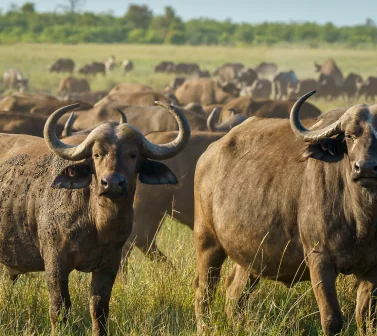
Buffalo and Waterbuck
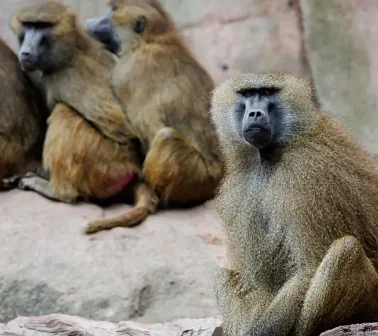
Baboon
Baboon
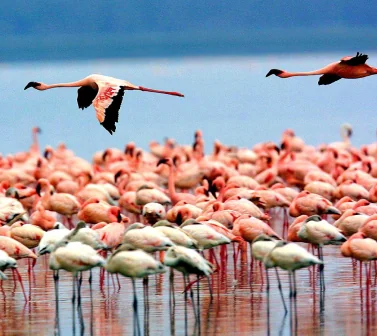
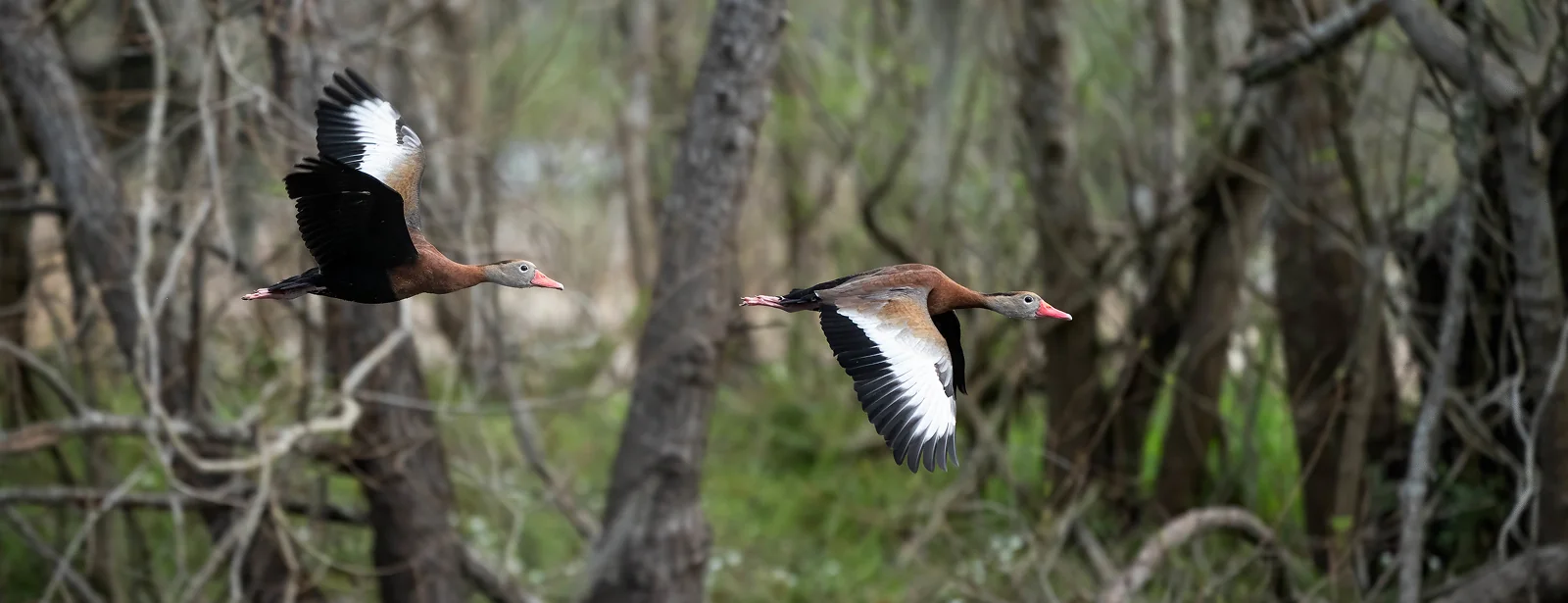
Birdlife
Birdlife

Travel Times & Options

Lake Manyara National Park is accessible by road and air, with various starting points depending on your itinerary:

  • From Arusha:

    Approximately 2.5 to 3 hours by road.

  • From Moshi:

    Around 4 hours by road.

  • From Karatu:

    Roughly 40 mins by road.

  • From Tarangire National Park:

    About 1.5 hours by road.

  • By Air:

    About 20 mins from Manyara airstrip

Hey Safaris offers seamless transfer options so your journey to Lake Manyara is as enjoyable as the safari itself.

When Is the Best Time to Visit the Lake Manyara

Lake Manyara is a year-round destination, but the timing of your visit can shape your experience:

January Safari

January - March

28°C
Dry Season

Excellent for birdwatching with flamingos on the lake; large elephant and buffalo herds visible.

January Safari

April–May

24°C
Wet Season

Lush greenery, fewer tourists; best time for photography and spotting tree-climbing lions.

January Safari

June – October

26°C
Dry Season

Peak wildlife viewing; elephants, giraffes, and predators gather around shrinking water sources.

January Safari

November – December

25°C
Short Rains

Migratory birds return, making it a prime birding season; mix of wildlife and fresh scenery.

Expert Tip from Hey Safaris

For the most intimate and rewarding experience, consider a private early morning game drive in the Lake Manyara. The wildlife is at its most active at dawn, and the soft golden light creates picture-perfect moments. Your guide can help you spot elusive cats and track the migration herds without the crowds. After your game drive, enjoy a gourmet bush breakfast surrounded by nature’s splendour—an experience you’ll treasure forever.

Ready to experience the Lake Manyara? Let Hey Safaris guide you through this extraordinary wilderness and craft a safari journey that you will remember for a lifetime.
Talk to a Safari Specialist Today

Get personalized recommendations and expert advice for your perfect Tanzania adventure.

Trusted by 1000+ Explorers


    Frequently Asked Questions

    By road, the park is about 2.5 – 3 hours from Arusha, 4 hours from Moshi, 1.5 hours from Tarangire, and only 40 minutes from Karatu. While there are nearby airstrips, most visitors prefer the scenic drive. Hey Safaris arranges seamless transfers so your journey is stress – free.

    The park is particularly famous for its tree – climbing lions and massive flocks of flamingos that turn the lake’s edges pink during migration seasons.

    Yes. Visitors can combine their safari with visits to nearby Maasai villages or enjoy walking safaris along the escarpment, offering cultural insights and scenic views.

    Definitely. Its small size, short driving distances, and variety of animals make it an excellent park for families. Children especially enjoy seeing baboons, giraffes, and elephants up close.

    Absolutely. The park’s diverse landscapes – forests, lake shores, and open plains – create striking backdrops for wildlife photography. Early morning and late afternoon provide the best light and animal activity.

    footer-top-img