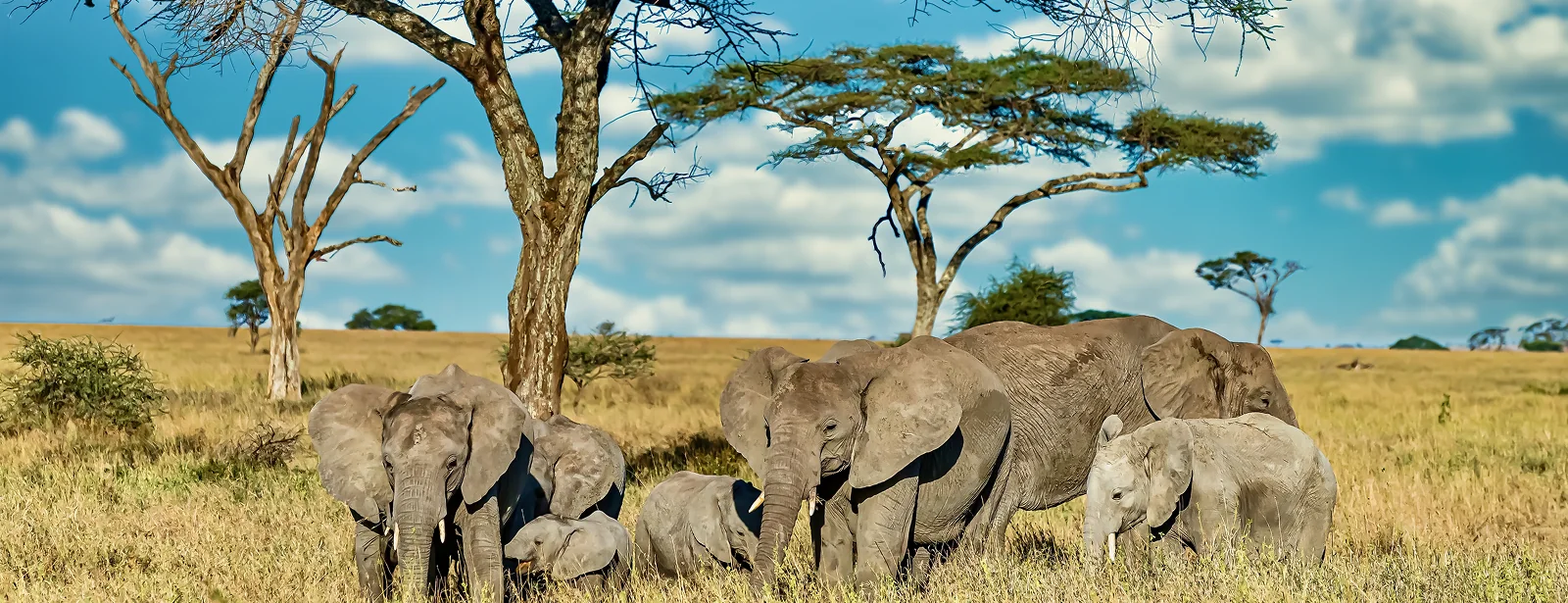
Tarangire National Park

Tanzania’s Elephant Wonderland

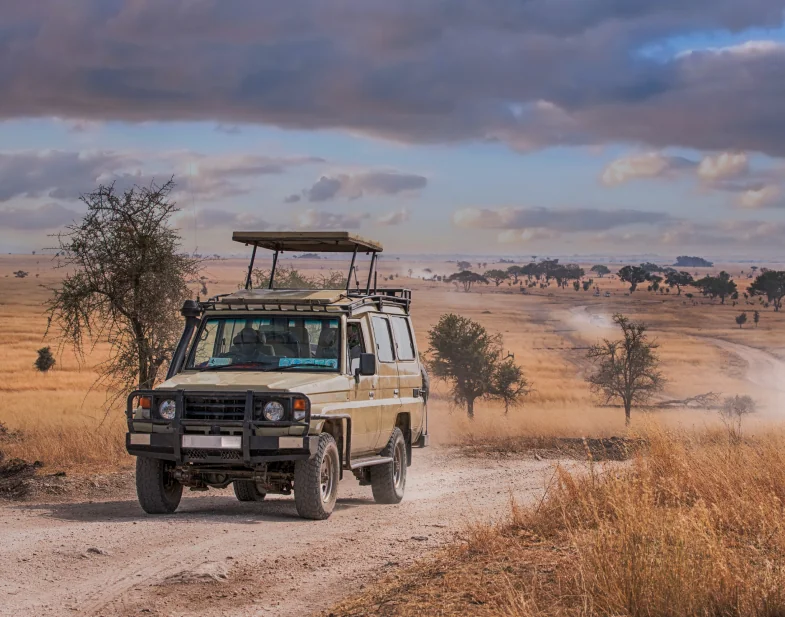
Tarangire National Park is a spectacular destination that offers a distinctive safari experience. Known for its huge herds of elephants, ancient baobab trees, and abundant wildlife, Tarangire is often described as one of Tanzania’s best-kept secrets – and a must-see for every safari traveler.

What Makes Tarangire National Park Unique?

Tarangire covers approximately 2,850 square kilometers and is named after the Tarangire River, which is the park’s lifeline during the dry season. The river draws animals from across the region, making Tarangire a magnet for wildlife when water sources dry up elsewhere.

The park’s diverse landscapes include sweeping savannahs, acacia woodlands, and rocky outcrops dotted with iconic baobab trees, creating dramatic and picturesque scenery for your safari.

What Animals Can You Expect to See at Tarangire?

The Tarangire offers exceptional wildlife sightings throughout the year. Here are just some of the incredible animals you may encounter on your safari:

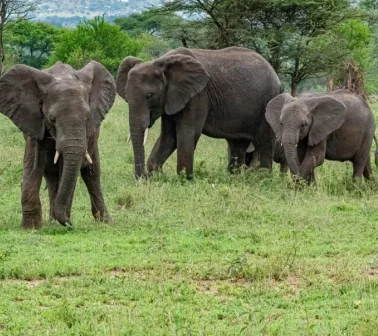
Elephants
Elephants
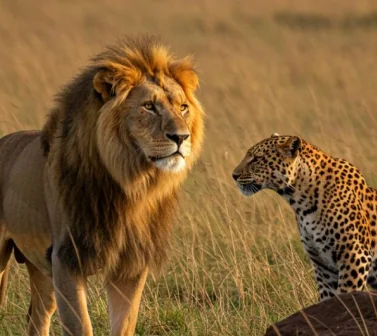
Lions and Leopards
Lions and Leopards
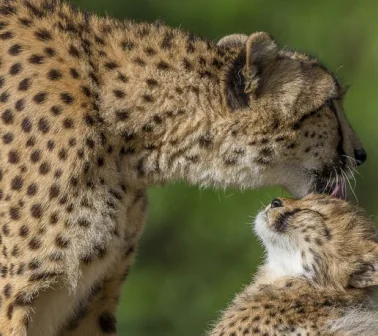
Cheetahs
Cheetahs
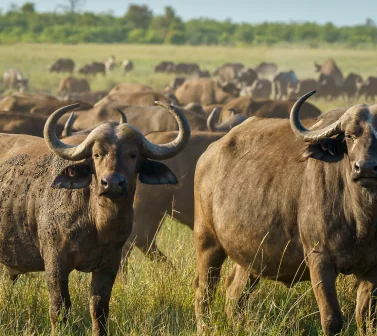
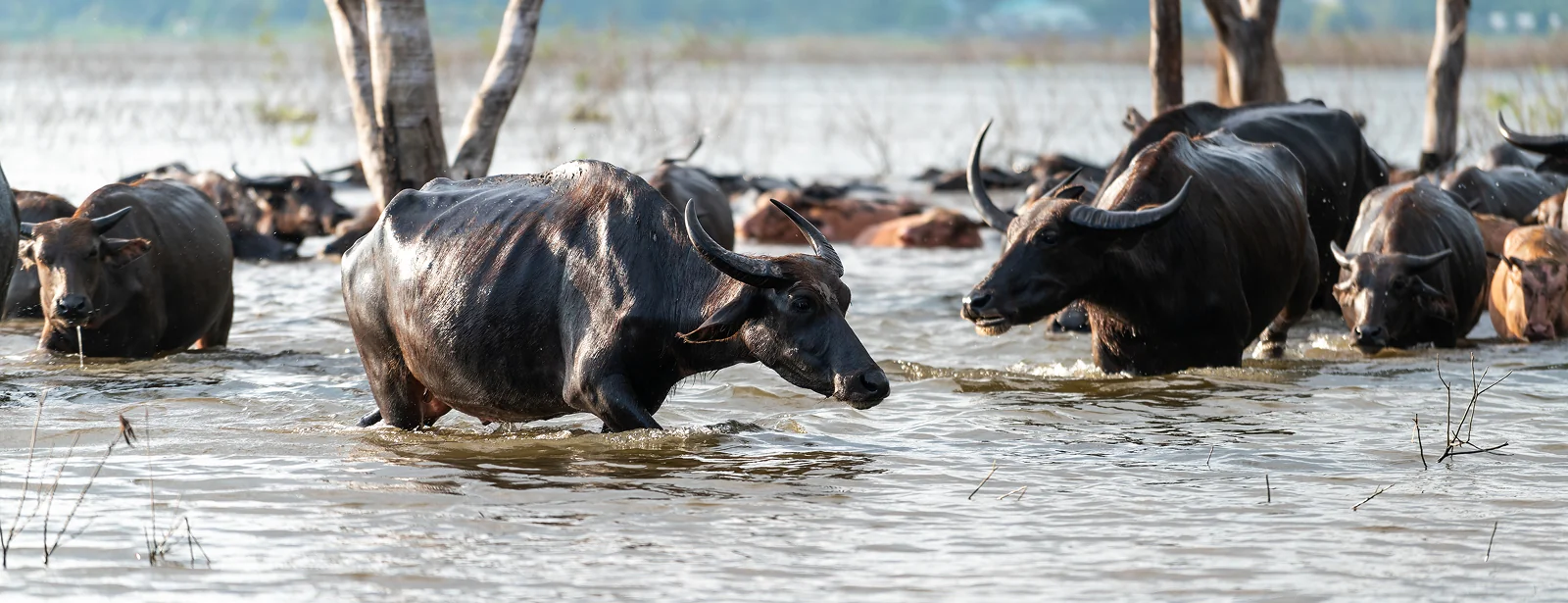
Buffalo and Impala
Buffalo and Impala
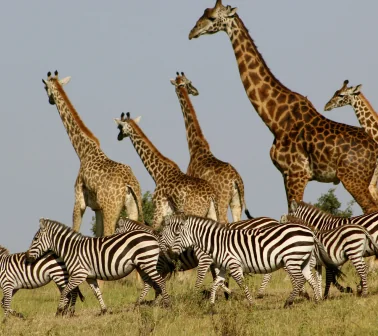
Giraffes And Zebras
Giraffes And Zebras
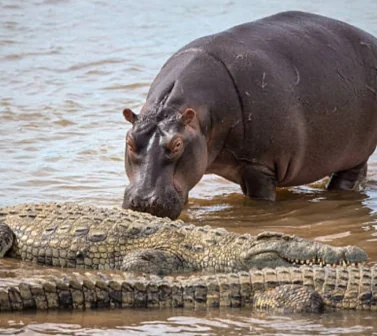
Hippos and Crocodiles
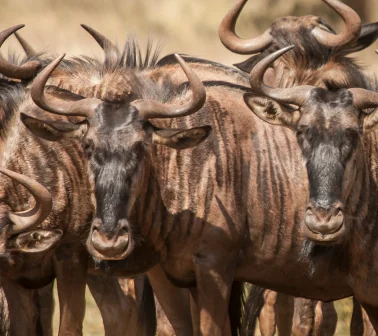
Wildebeest
Wildebeest
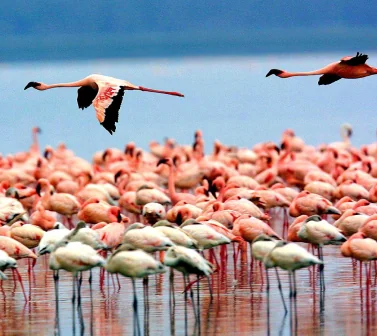
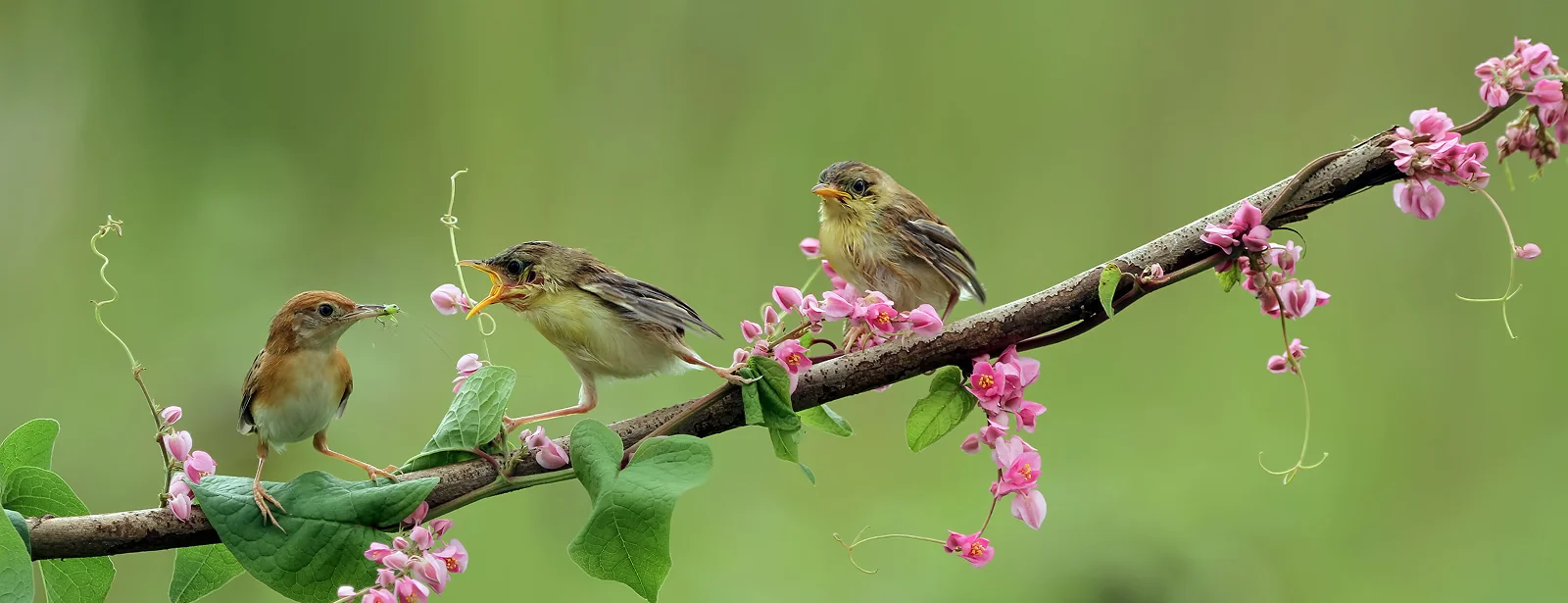
Birdlife
Birdlife

Travel Times & Options

Tarangire National Park is accessible by road and air, with various starting points depending on your itinerary:

  • From Arusha:

    Around 2 - 2.5 hours by road.

  • From Moshi:

    Approximately 4 hours by road.

  • From Karatu:

    Roughly 1.5 - 2 hours by road.

  • By Air:

    Tarangire has a small airstrip, but most travelers prefer scenic drives from nearby towns.

At Hey Safaris, we can arrange private transfers or charter flights to maximize your time in the park and ensure your journey is as comfortable and efficient as possible.

When Is the Best Time to Visit Tarangire

The Tarangire is a year-round destination, but the timing of your visit can shape your experience:

January Safari

January–March

28°C
Dry Season

Elephants and zebras spread out; birdwatching is excellent with many species nesting.

January Safari

April–May

24°C
Wet Season

Green landscapes, fewer crowds; wildlife disperses but scenery is lush and beautiful.

January Safari

June–October

26°C
Dry Season

Peak season; elephants, wildebeest, and buffalo gather around the Tarangire River.

January Safari

November–December

25°C
Short Rains

Creating excellent opportunities for birdwatching

Hey Safaris Expert Tip

For the most intimate and rewarding experience, consider a private early morning game drive in the Tarangire. The wildlife is at its most active at dawn, and the soft golden light creates picture-perfect moments. Your guide can help you spot elusive cats and track the migration herds without the crowds. After your game drive, enjoy a gourmet bush breakfast surrounded by nature’s splendour—an experience you’ll treasure forever.

Ready to experience the Tarangire? Let Hey Safaris guide you through this extraordinary wilderness and craft a safari journey that you will remember for a lifetime.
Talk to a Safari Specialist Today

Get personalized recommendations and expert advice for your perfect Tanzania adventure.

Trusted by 1000+ Explorers


    Frequently Asked Questions

    By road, it’s about 2 – 2.5 hours from Arusha, 4 hours from Moshi, 1.5 – 2 hours from Karatu. While there is a small airstrip, most visitors prefer the scenic drive. Hey Safaris can arrange transfers to make your journey smooth and comfortable.

    The park hosts one of Tanzania’s largest elephant populations, along with lions, leopards, cheetahs, buffalo, giraffes, zebras, wildebeest, hippos, crocodiles, and over 550 bird species, including lilac-breasted rollers, vultures, and raptors.

    Visitors can enjoy classic game drives, guided walking safaris, bird watching, night game drives (subject to park regulations), photography safaris, and cultural visits to nearby Maasai villages.

    Absolutely. Many travelers combine Tarangire with Ngorongoro, Lake Manyara, or Serengeti for a full Northern Tanzania safari experience.

    footer-top-img