Discover Arusha National Park

A Hidden Gem of Tanzania’s Northern Circuit

Just a short drive from Arusha town, Arusha National Park is one of Tanzania’s most accessible and diverse wildlife destinations. Despite its relatively small size, the park offers an incredible variety of landscapes, activities, and animals, making it a perfect introduction to Tanzania’s natural wonders before heading deeper into the safari circuit.

What Makes Arusha National Park Special?

Arusha National Park is known for its striking landscapes, ranging from lush rainforest and scenic lakes to volcanic craters and rugged mountains. It is home to part of Mount Meru, Tanzania’s second highest peak, which provides a stunning backdrop and an adventurous climbing destination for many visitors.

The park’s diverse habitats support a wide range of wildlife, and its proximity to Arusha town makes it ideal for half-day or full-day excursions.

What Animals Can You Expect to See?

Arusha National offers exceptional wildlife sightings throughout the year. Here are just some of the incredible animals you may encounter on your safari.

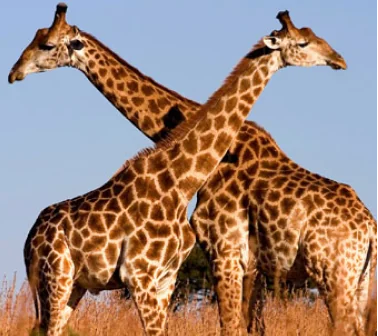
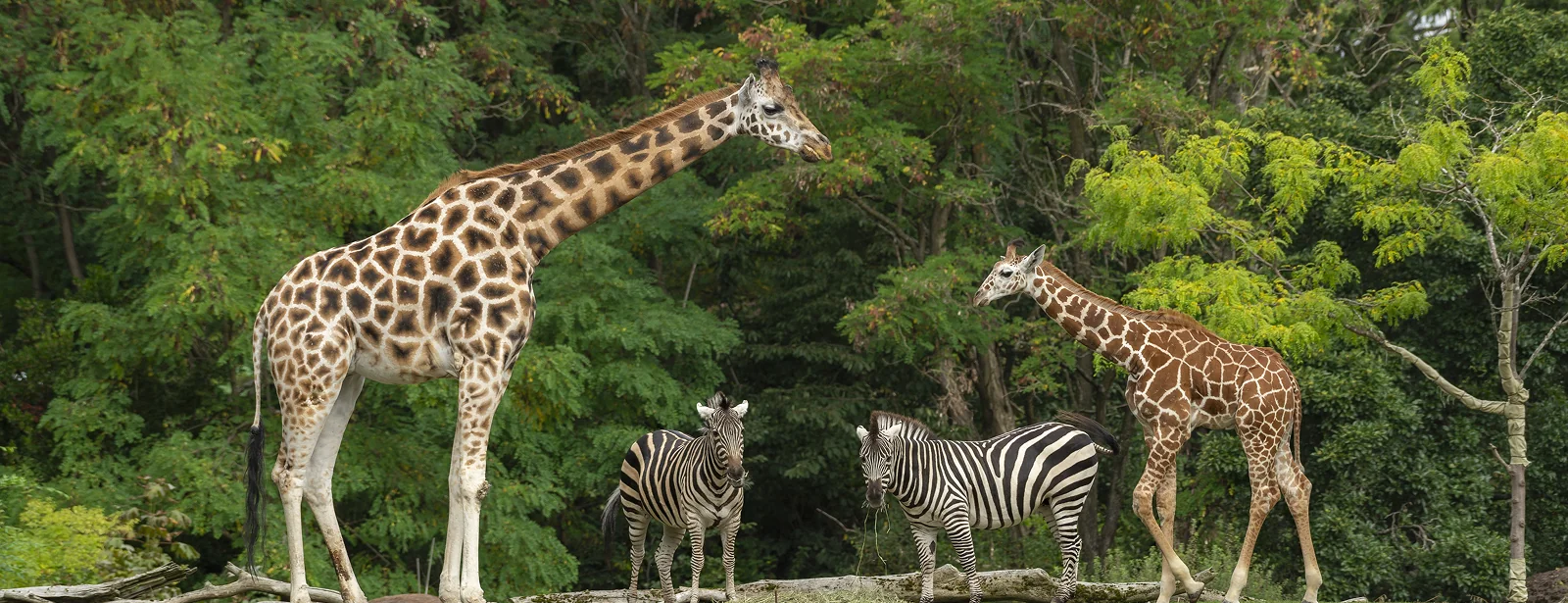
Giraffes
Giraffes
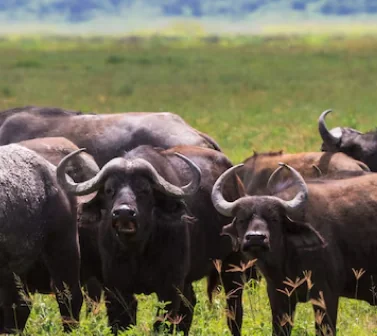
Buffaloes
Buffaloes
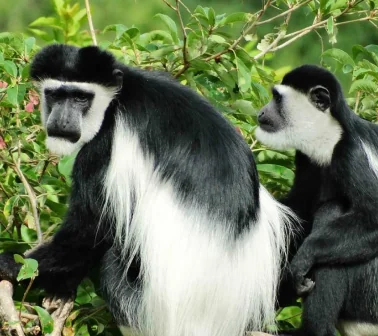
Colobus Monkeys
Colobus Monkeys
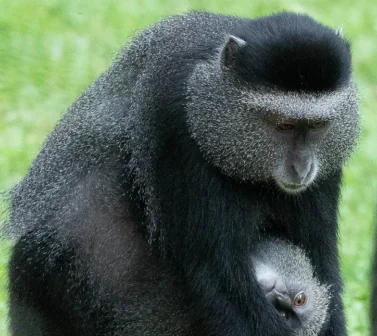
Blue Monkeys
Blue Monkeys
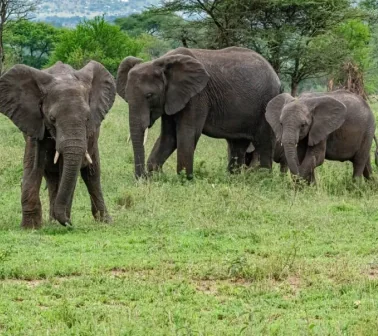
Elephants
Elephants
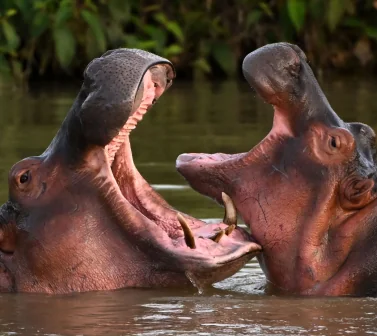
Hippos
Hippos
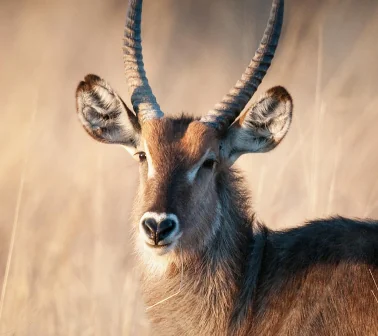
Waterbucks, Sykes’ Monkeys, and Bushbucks
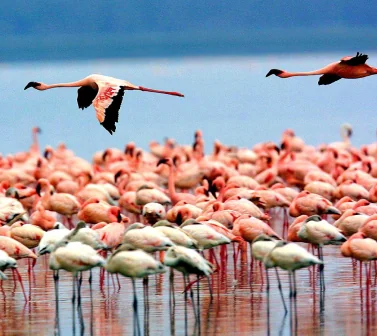
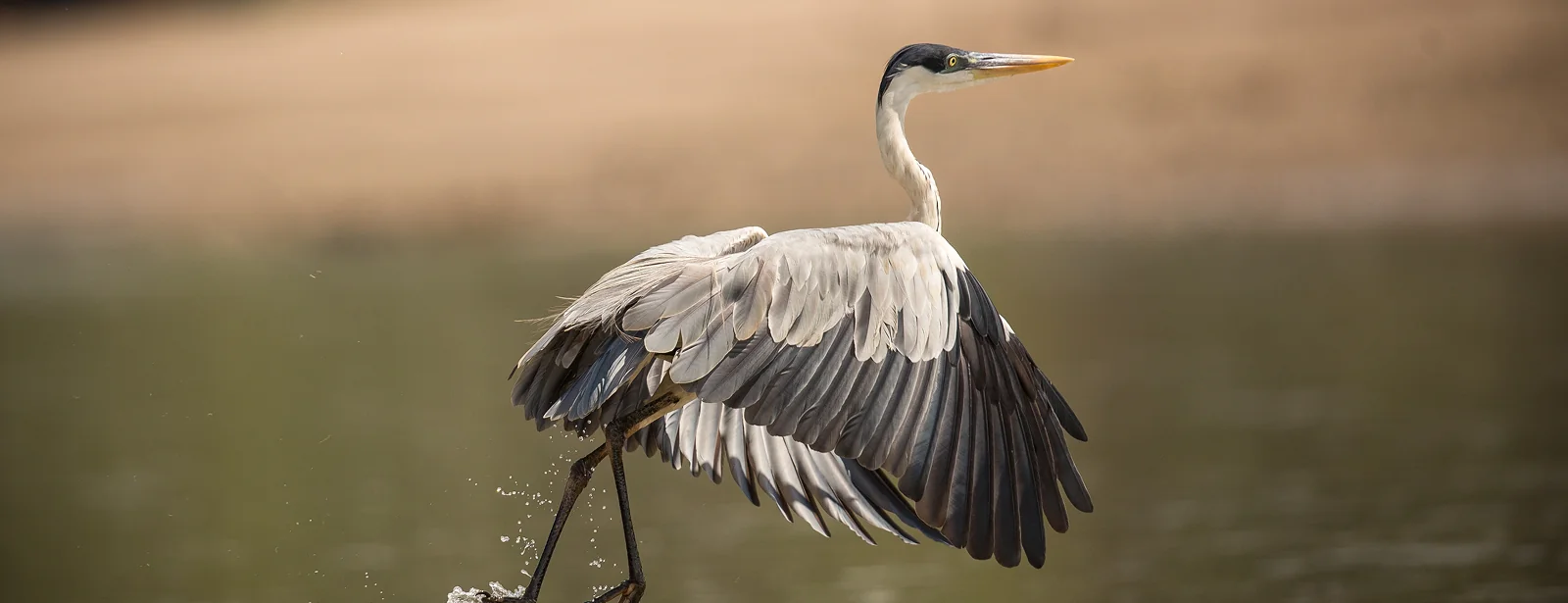
Birdlife
Birdlife

Travel Times & Options

Arusha National Park is accessible by road and air, with various starting points depending on your itinerary:

  • From Arusha:

    Only about a 45-minute drive to the park entrance

  • From Moshi:

    Around 1.5 to 2 hours by car.

At Hey Safaris, we can arrange private transfers or charter flights to maximize your time in the park and ensure your journey is as comfortable and efficient as possible.

When Is the Best Time to Visit Arusha National Park

Arusha National Park is a year-round destination, but the timing of your visit can shape your experience:

January Safari

January - March

26°C
Dry Season

Clear mountain views; giraffes, zebras, and monkeys are active.

January Safari

April - May

23°C
Wet Season

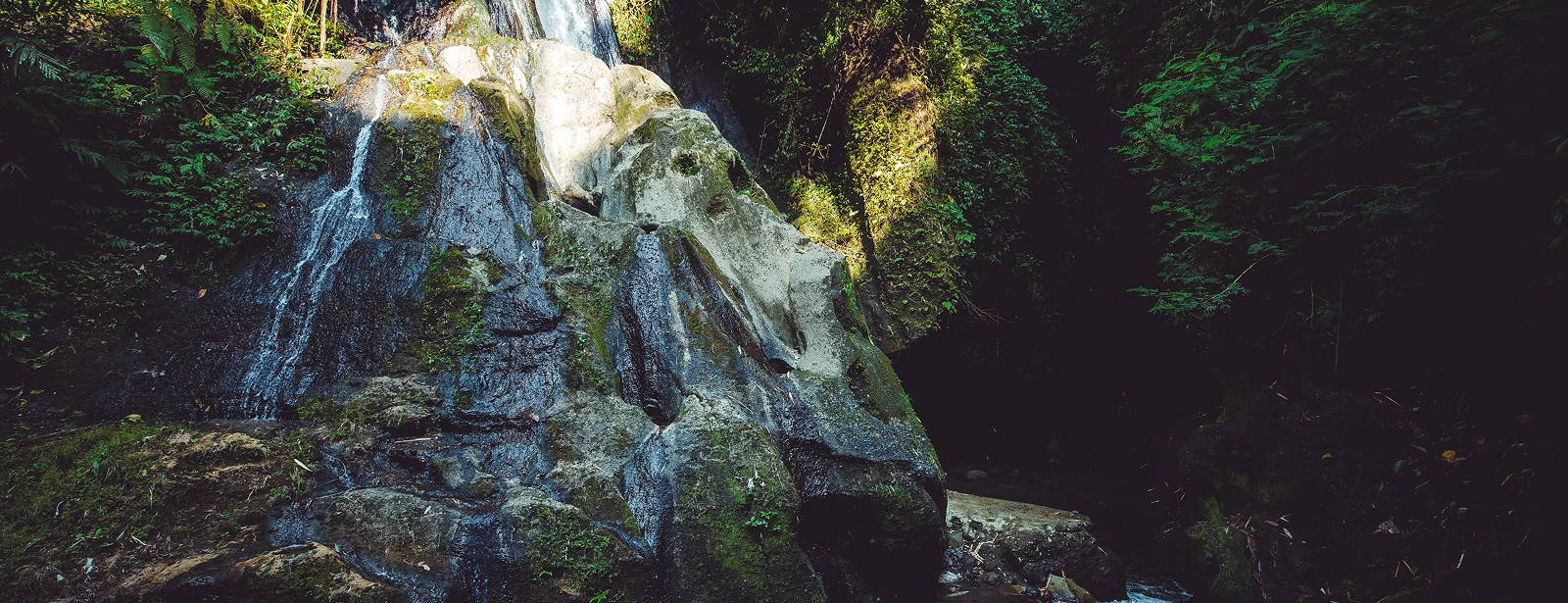
Waterfalls full, forest hikes vibrant; quiet season.

January Safari

June - October

25°C
Dry Season

Prime wildlife viewing; open plains and trekking conditions ideal.

January Safari

November - December

24°C
Short Rains

Migratory birds arrive; landscapes green and fresh.

Expert Tip from Hey Safaris

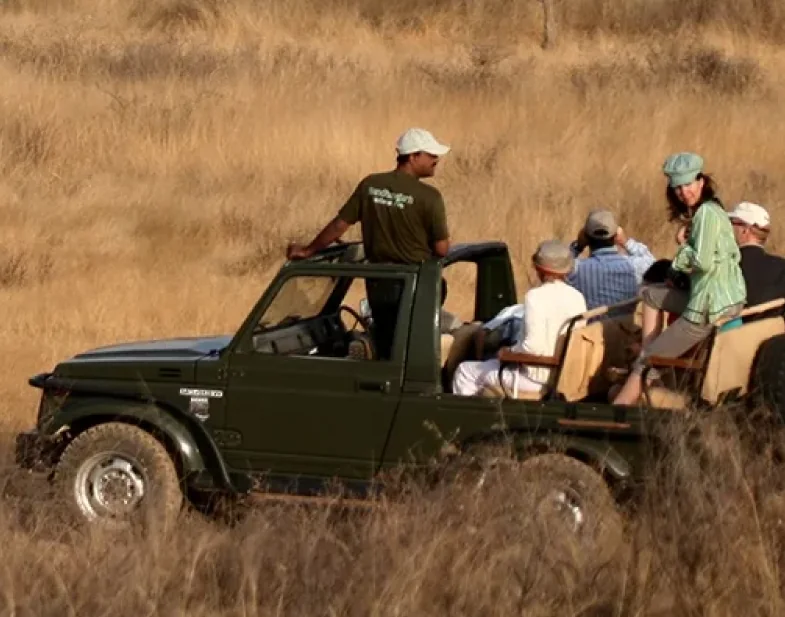
For the most intimate and rewarding experience, consider a private early morning game drive in the Arusha. The wildlife is at its most active at dawn, and the soft golden light creates picture-perfect moments. Your guide can help you spot elusive cats and track the migration herds without the crowds. After your game drive, enjoy a gourmet bush breakfast surrounded by nature’s splendour—an experience you’ll treasure forever.

Ready to experience the Arusha? Let Hey Safaris guide you through this extraordinary wilderness and craft a safari journey that you will remember for a lifetime.
Talk to a Safari Specialist Today

Get personalized recommendations and expert advice for your perfect Tanzania adventure.

Trusted by 1000+ Explorers


    Frequently Asked Questions

    From Arusha town, the park is only a 45-minute drive. From Moshi or Kilimanjaro Airport, it’s 1.5 – 2 hours by car, approximately 3 hours. Its close proximity makes it ideal for half – day or full – day excursions.

    Visitors can spot giraffes, buffaloes, elephants, hippos, waterbucks, Sykes’ monkeys, colobus and blue monkeys. The park is also home to over 400 bird species, including crowned cranes and fish eagles.

    You can enjoy game drives, guided walking safaris, canoeing on Momella Lakes among hippos and flamingos, trekking Mount Meru, and birdwatching.

    Yes. Visitors can canoe among hippos and flamingos on the alkaline Momella Lakes. This unique activity offers close wildlife encounters and scenic photography opportunities.

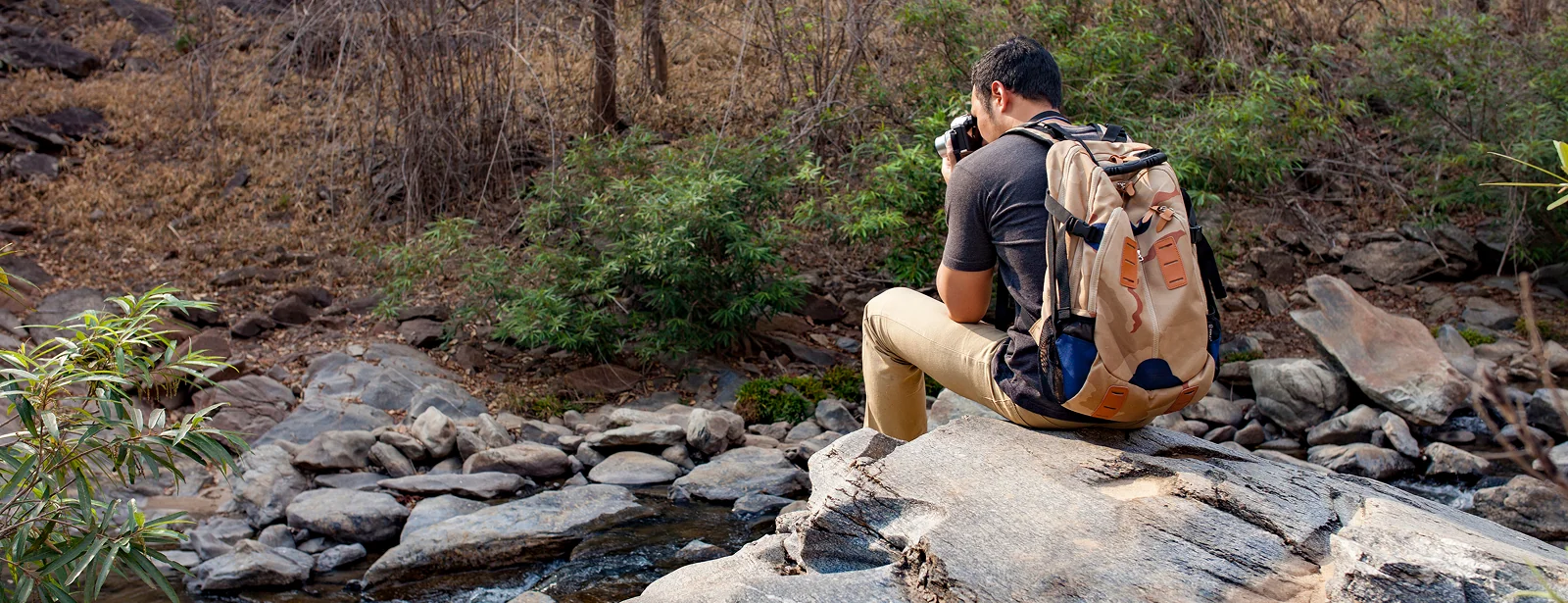
    Yes. Guided walking safaris allow you to explore the park up close, learn about smaller wildlife, plants, and bird species, and enjoy an intimate experience with nature.

    footer-top-img