Mkomazi National Park

Tanzania’s Untouched Wilderness

For those seeking an off-the-beaten-path safari experience, Mkomazi National Park offers a remarkable blend of rugged landscapes, unique wildlife, and a true sense of wilderness. Located in northeastern Tanzania near the Kenyan border, Mkomazi is one of the country’s lesser-known parks – making it a perfect destination for adventurous travelers looking to escape the crowds and discover Tanzania’s hidden gems.

What Makes Mkomazi National Park Special?

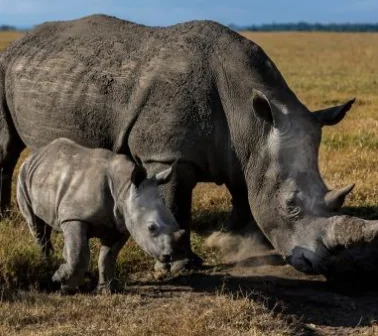
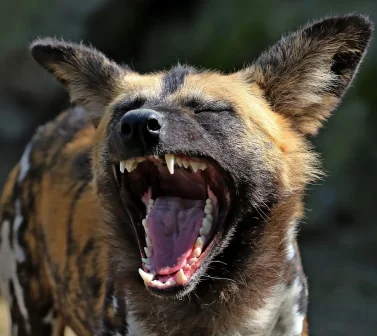
Mkomazi National Park is a dry savannah wilderness with vast plains, rocky hills, and acacia woodlands. The park is notable for its vital role in the conservation of endangered species such as the black rhino and the African wild dog.

Thanks to ongoing conservation efforts, Mkomazi has become a sanctuary where rare species are thriving and wildlife populations are steadily growing.

What Animals Can You Expect to See?

The Mkomazi offers exceptional wildlife sightings throughout the year. Here are just some of the incredible animals you may encounter on your safari.

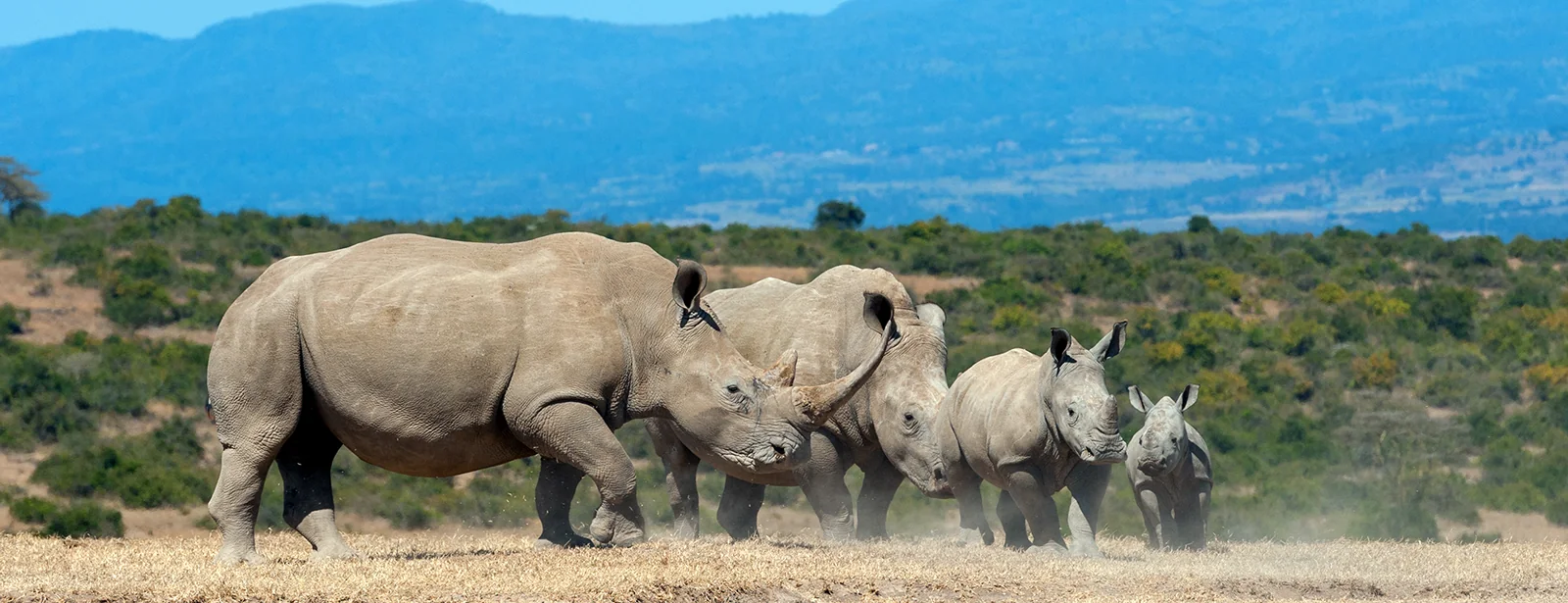
Black Rhinos
Black Rhinos
African Wild Dogs
African Wild Dogs
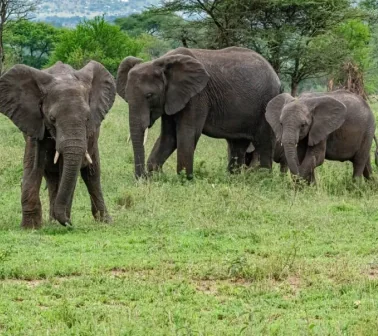
Elephants
Elephants
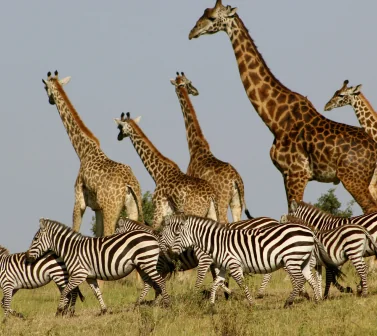
Giraffes and Zebras
Giraffes and Zebras
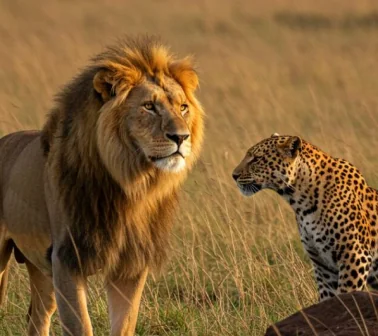
Leopards and Lions
Leopards and Lions
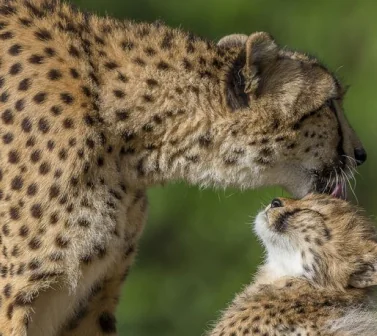
Cheetahs
Cheetahs
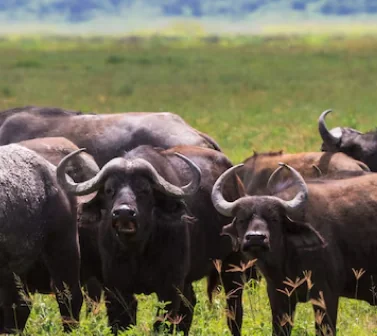
Buffaloes
Buffaloes
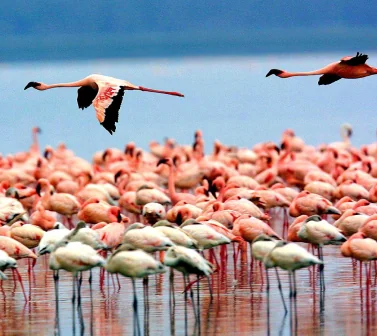
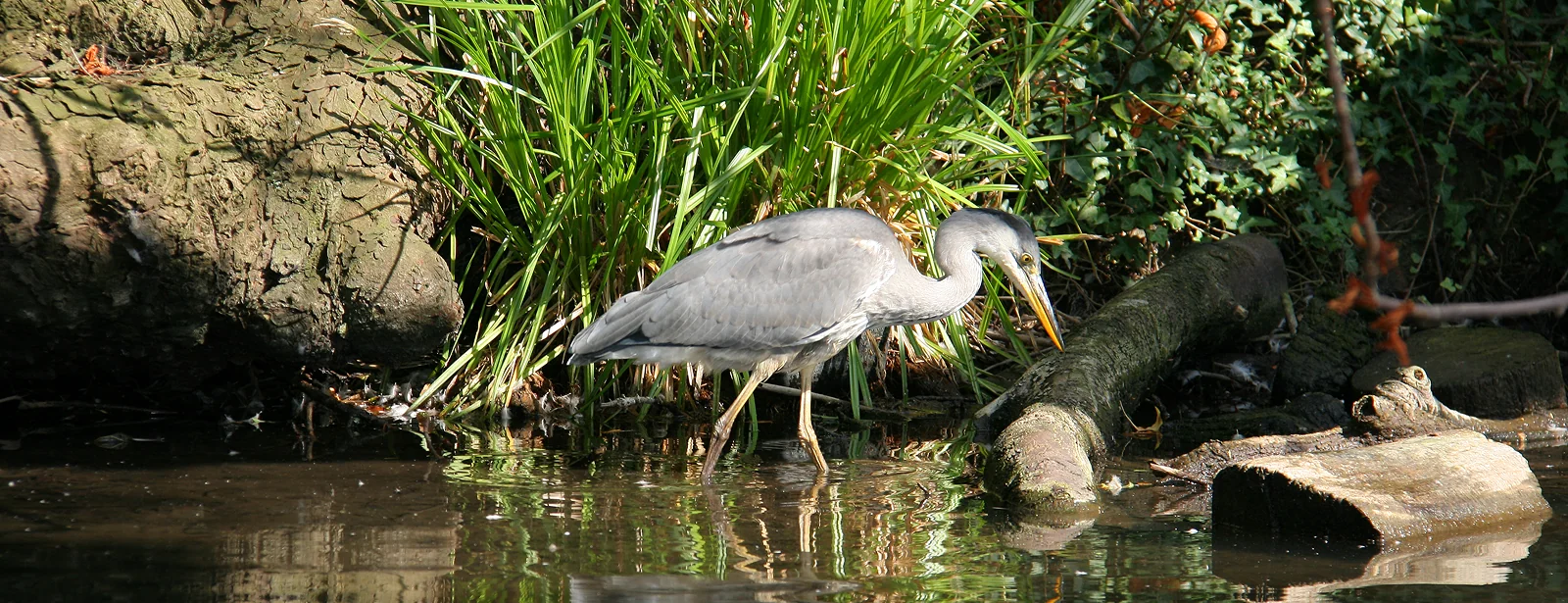
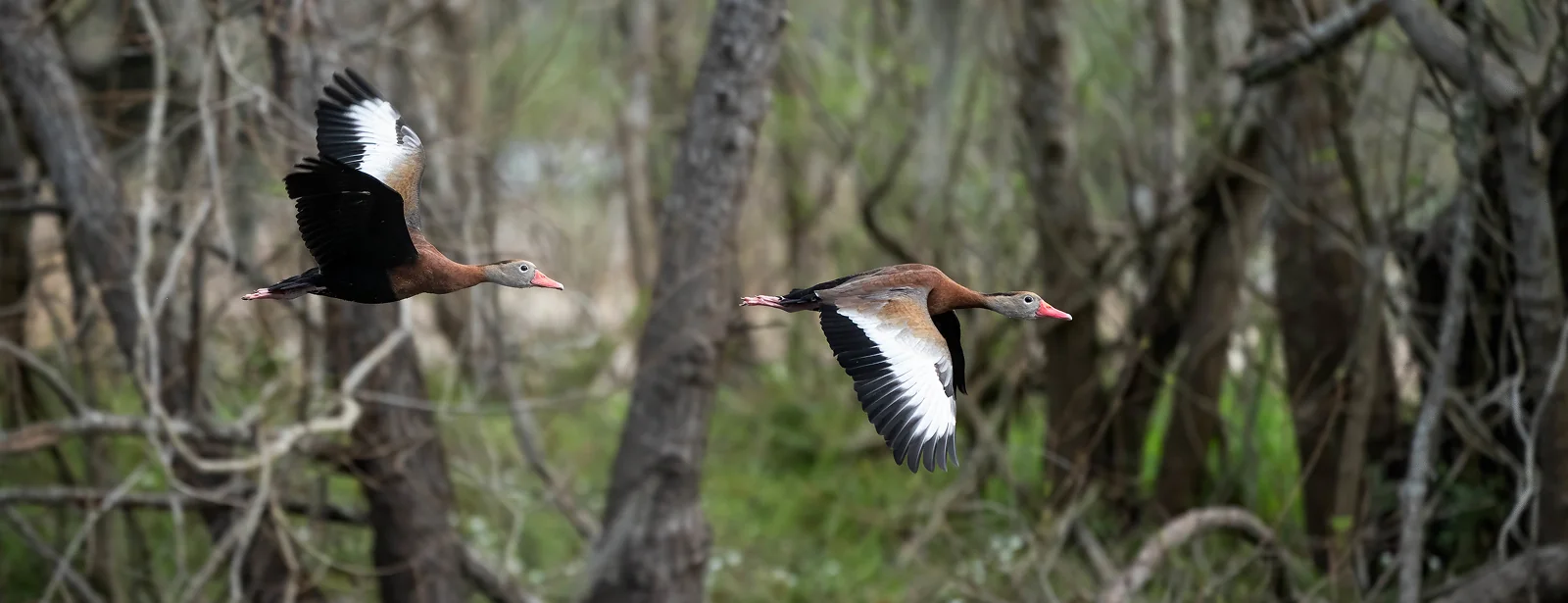
Over 400 Bird Species

Travel Times & Options

Mkomazi National Park is accessible by road and air, with various starting points depending on your itinerary:

  • From Arusha:

    Approximately a 4 to 6-hour drive northeast towards the Kenyan border.

  • From Moshi:

    Around 2 to 4 hours by road.

At Hey Safaris, we can arrange private transfers or charter flights to maximize your time in the park and ensure your journey is as comfortable and efficient as possible.

When is the best time to visit Mkomazi NP

Mkomazi NP is a year-round destination, but the timing of your visit can shape your experience:

January Safari

January - March

30°C
Dry Season

Black rhino sanctuary visits; elephants, giraffes, and lesser kudu visible.

January Safari

April - May

25°C
Wet Season

Scenic and quiet, though wildlife disperses; birdlife thrives in wetlands.

January Safari

June - October

28°C
Dry Season

Best for large mammals near waterholes; wild dogs and rare antelope sightings possible.

January Safari

November - December

26°C
Short Rains

Fresh greenery, migratory birds arrive; good chance of mixed wildlife viewing.

Expert Tip from Hey Safaris

For the most intimate and rewarding experience, consider a private early morning game drive in the Mkomazi. The wildlife is at its most active at dawn, and the soft golden light creates picture-perfect moments. Your guide can help you spot elusive cats and track the migration herds without the crowds. After your game drive, enjoy a gourmet bush breakfast surrounded by nature’s splendour—an experience you’ll treasure forever.

Ready to experience the Mkomazi? Let Hey Safaris guide you through this extraordinary wilderness and craft a safari journey that you will remember for a lifetime.
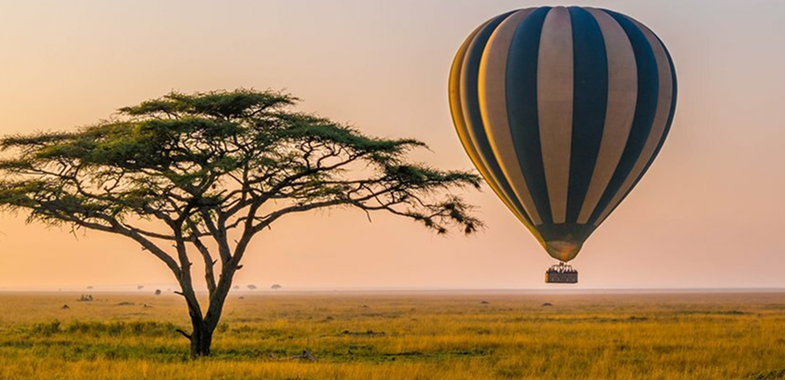
Talk to a Safari Specialist Today

Get personalized recommendations and expert advice for your perfect Tanzania adventure.

Trusted by 1000+ Explorers


    Frequently Asked Questions

    By road, it’s approximately 4 – 6 hours from Arusha and 2 – 4 hours from Moshi. The park is remote, but its pristine landscapes make the journey worthwhile.

    Visitors can spot black rhinos, African wild dogs, elephants, giraffes, zebras, buffaloes, leopards, lions, cheetahs, and over 400 bird species, including vultures, eagles, and waterbirds.

    Activities include game drives, walking safaris, birdwatching, visiting conservation projects, and engaging with nearby Maasai communities for cultural experiences.

    Absolutely. With over 400 bird species, including raptors, vultures, and waterbirds, Mkomazi is a paradise for bird enthusiasts

    Yes, but it is best for adventurous travelers comfortable with remote and rugged terrain. Guided safaris ensure a safe and rewarding experience.

    footer-top-img